Man With A Van in New Addington

Our man with a van in New Addington service is set up for practical removals and deliveries that need careful loading, sensible planning and a vehicle suited to everyday household or business items. We help with moving furniture, boxed belongings, single bulky items and smaller relocations where a full removals operation may be more than you need. The focus is on getting items moved securely, with the right balance of efficiency, handling and straightforward communication.
If you are comparing options, it helps to think about what needs moving, how much packing is already done and whether any items need special care. We can support customers who want a simple transport solution as well as those who need a more involved move with loading and unloading included. For a broader view of what can be arranged, the removal services page gives a useful overview of the kind of work typically covered.
When you are ready to plan your move, it is sensible to have a list of the main items, approximate access details and any timing preferences to hand. That makes it easier to shape the job around the vehicle size, labour needed and the route between collections and drop-offs. Tell us what needs moving and we can help you work out the most suitable way forward. Request a quotation when you want a clear price for the work.
Household moving and local transport
For household moves, a man and van arrangement often suits flat moves, starter homes, student clearances and smaller family relocations. It can also be a practical choice for moving selected items between properties or for combining a few collections into one trip. The service is designed to keep the process organised without making it unnecessarily complicated, and it is often useful where the move includes furniture, boxes and mixed contents rather than a single category of item.
Customers often want help with beds, wardrobes, tables, appliances and general boxed possessions. Those items need stable loading, careful positioning and sensible sequencing so that fragile or awkward pieces are not trapped beneath heavier loads. If you need a fuller household move, the home moves page is a helpful place to see a more dedicated domestic moving option, while the house removals page suits larger property moves.
How we approach domestic loads
Furniture, single items and practical collections

Not every booking is a full move. A man with a van can be a useful choice for a sofa, a chest of drawers, a mattress, a dining set or a few boxes that need collecting and delivering together. It is also suited to buying or selling second-hand furniture, where you want the item transported safely without arranging a larger vehicle than necessary. The main aim is straightforward: move the item with care and keep the job proportionate to what actually needs doing.
For heavier or more awkward pieces, loading matters as much as transport. Items may need protecting from scuffs, lifted with enough clearance at doorways or arranged so that they remain steady in transit. If you have a particular item that needs collecting, the furniture pick-up page is relevant, and the moving van page may also help if you are comparing vehicle-led options for this kind of work.
A simple plan is often enough: note what is being moved, where it starts, where it is going and whether there are stairs, narrow hallways or parking limits to consider. Those practical details shape the vehicle choice and the handling approach. Clear access information usually makes the booking smoother and helps avoid unnecessary delays on the day.
Small business moves and office support

Our service can also be used for light commercial work, including office furniture, boxed records, display items, stock transfers and equipment that needs moving between business locations. Small offices and independent traders often need a flexible transport option rather than a large-scale relocation. In those cases, a man with a van can be a sensible middle ground between doing everything yourself and arranging a larger removal team.
Office moves usually work best when the load is divided into categories so that desks, chairs, screens, files and other items are handled in a deliberate order. That keeps breakable or sensitive items separated from heavier furniture and helps the unloading stage go more smoothly. If your move is workplace-based, the office removals page and the office relocation services page both give a more targeted picture of that kind of project.
Commercial jobs that suit a van-based move
Packing, loading and protecting items in transit
Packing support can make a real difference to how a move feels on the day. Even when the transport itself is straightforward, items need to be grouped in a way that protects surfaces, keeps boxes stable and reduces the risk of breakage. This may involve using the right size of cartons, separating delicate objects from denser items and making sure loose pieces are secured before loading begins.
Some customers want help with packing as well as lifting and transport, particularly when they are moving in stages or dealing with mixed household contents. The packing and unpacking services page covers that side of the work, while the house movers page is useful if you are weighing up a more complete moving option for a domestic property. Either way, the goal is to keep the move orderly from start to finish.
A few sensible preparations can help before collection. Try to separate what is definitely moving, what is staying, and which items may need extra wrapping or manual handling. If you are unsure how much space something will take, a simple inventory is often enough to start the conversation. Send the essentials and you can usually narrow down the right approach quickly.
About New Addington

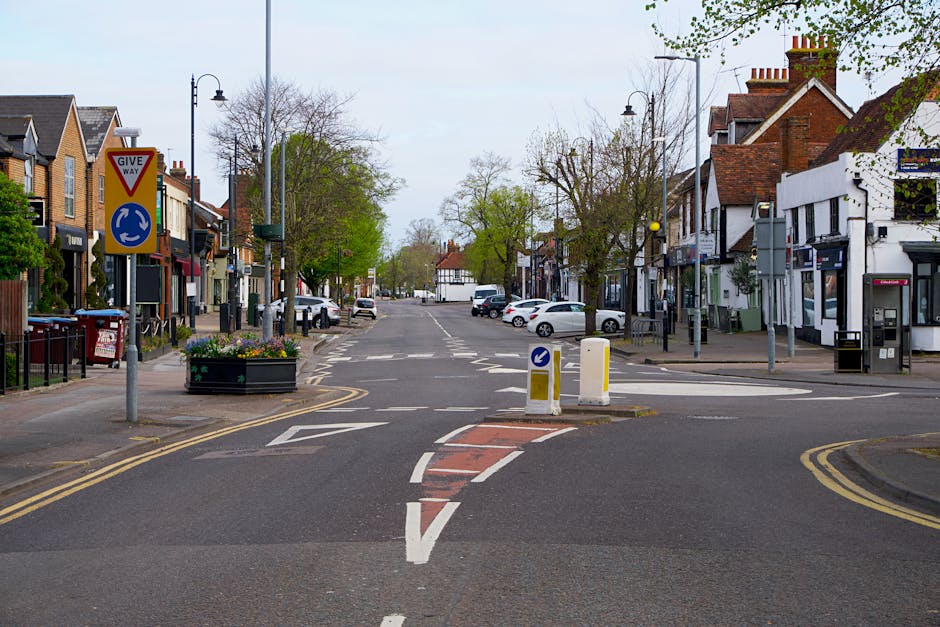
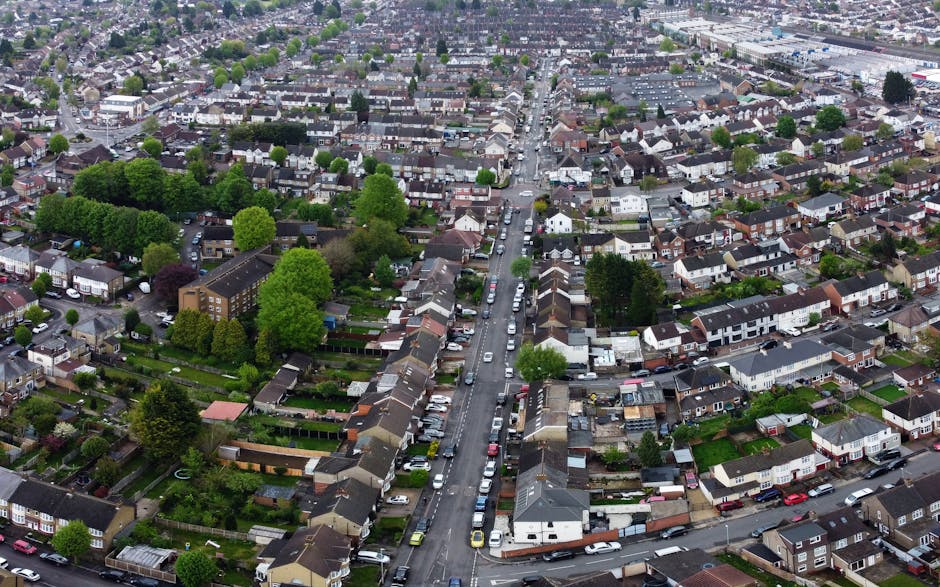
New Addington is a suburban area in the London Borough of Croydon, shaped by twentieth-century expansion and the later growth of estates around a centre that serves local shopping, community and transport needs. Much of the area’s character comes from its planned residential layout, open spaces and the contrast between post-war housing and the older rural landscape that once surrounded it. The district sits on elevated ground in south London, with roads and bus routes linking it to nearby parts of Croydon and the wider capital. Its setting gives it a slightly separate feel from the denser inner suburbs, while still remaining firmly part of metropolitan London life. The built environment is varied rather than uniform, with estates, local parades, schools and public facilities creating a functional centre for day-to-day activity. Green space is important locally, and the area is close to countryside edges and parks that soften the urban setting. Addington Hills and the wider hilltop landscape in the vicinity are well known for views across south London, while nearby parks and commons reflect the area’s longer relationship with open land. The name New Addington itself points to a newer settlement distinct from historic Addington, whose older parish identity still appears in the surrounding geography and place names. Together, those layers give the district a mix of planned modern development, local neighbourhood identity and access to landscape that is less common in more heavily built-up parts of London.
Distance, access and quotation factors
The price of a man with a van job usually depends on the practical shape of the work rather than on one single factor. The amount of furniture or stock, the time taken to load and unload, the distance travelled and the difficulty of access can all affect the overall quotation. Stairs, parking restrictions, long carries and the need for two-person handling may also influence the scope of the job, because they change how much time and labour is needed.
It helps to be precise about the collection point, delivery point and anything unusual at either end. If there are multiple stops, that is worth mentioning too, because the route and sequence can make a noticeable difference to the plan. The pricing and quotes page is the best place to look if you want to understand how estimates are handled, while the removals page offers a wider view of the overall moving service.
For customers, a useful quotation is one that reflects the actual job rather than a rough guess. A clear list of items, an honest description of access and a note of the preferred date all make the estimate more reliable. Ask for a quotation once you have the main details ready, and keep any special handling requirements in the same message.
Preparing the move in a simple, workable way

Preparation does not need to be complicated. The best jobs usually start with a tidy separation of items, a sensible idea of what is going where and a clear understanding of any fragile pieces or heavy objects. If you are moving only part of a household or office, it can help to mark the items that should be loaded last so that they are easier to unload first. That small bit of planning can make a notable difference at the other end.
Two practical matters are worth keeping in mind. First, packaging should match the contents: books, kitchen items, soft furnishings and breakables all behave differently in transit. Second, access matters just as much as volume. A compact load with awkward stairs or difficult parking may need more time than a slightly larger load from a straightforward property. For general moving support, the movers page gives another route into the wider service range, and the man and van removals page is useful if you want a closely related moving option described in more specific terms.
If you are comparing removal styles, it can be useful to match the service to the real task rather than to a label. Some moves are best handled as a simple transport job, while others need more care with dismantling, loading order or repeated trips. Share the details that matter and we can help you narrow down the most practical option. A concise enquiry is often the quickest route to a clear answer.
House and flat removals with flexible support
Some customers need more than a single-item collection but less than a large full-scale relocation. That is where a flexible man with a van arrangement can work well for houses, flats and maisonettes with a moderate amount of furniture and personal belongings. It can suit first moves, downsizing projects, temporary relocations and moves where you want the work completed in a calm, orderly way.
Flat moves often involve practical constraints such as shared entrances, stairwells, limited parking or managed buildings. Those conditions do not make the move impossible, but they do shape the best approach. When you are comparing related services, the man with van page offers a closely aligned option, while the house removalists page may be useful for customers looking at a more traditional domestic moving route.
Where there are valuable or delicate belongings, it is sensible to say so at the outset. That allows the move to be planned around appropriate handling and helps reduce the chance of avoidable damage. Careful loading order is often as important as the drive itself, especially when furniture and boxes have to share the same space.
Service options and useful related pages
Different jobs call for different levels of support, and it is worth choosing a page that matches the shape of your move. A standard van-based move may be enough for everyday household transport, while a more involved relocation may need a broader removals arrangement. The service pages below cover common related options and help you compare what suits your load, access and timing.
- man and van for a straightforward flexible transport option
- man and van removals for a more removal-focused version of the same idea
- moving truck if you want to compare a larger vehicle type
- removal van for another van-based moving choice
It is also sensible to look at supporting pages that explain standards, safety and business terms before you book. The insurance and safety page is relevant where careful handling and working practices matter, and the health and safety policy page gives a clearer picture of general approach. Those pages do not change the move itself, but they can help customers understand how the service is organised.
When you have chosen the type of help you need, a short message with your collection and delivery details is usually enough to begin. If there are multiple items, mention the largest ones first. Ask for a quotation when you are happy with the service fit, and keep the description accurate so the estimate reflects the real job.
Final planning, payments and getting in touch
A good quote is easier to prepare when the core facts are simple and complete. Start with what is moving, then add the locations, the access at each end and any items that need extra care. If packing is partly done, say so; if everything is ready to lift, say that too. That kind of clarity helps keep the move efficient and means the plan can be matched to the job without unnecessary assumptions.
It can also be useful to understand the wider booking information before confirming anything. The payment and security page covers that subject, while the terms and conditions page explains the general framework around the service. If you want to know how the business handles concerns, the complaints procedure is there as a further reference. These pages are practical reading when you want to make an informed choice.
If you are ready to move forward, send the details and ask for a quotation. For a broader contact route, use contact us and include the essentials of the job in your enquiry. Request a quotation today if you want a clear, tailored response for your move in New Addington.