



Hazardous Items: Disposal Laws for New Addington Moves
Posted on 30/07/2026
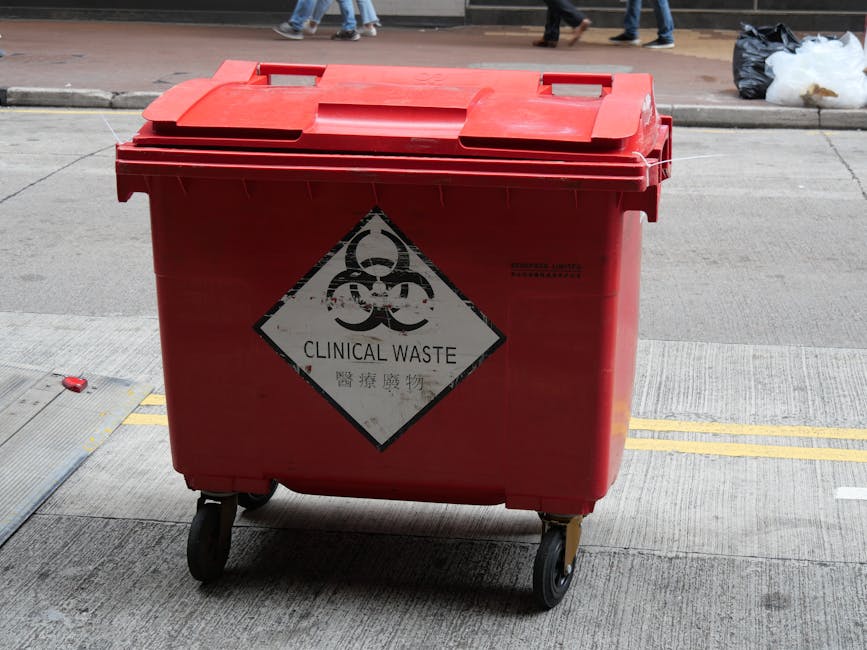
Moving house in New Addington is stressful enough without discovering, at the last minute, that the garage cupboard is full of things your removal team cannot legally carry. Paint tins, old bleach, gas canisters, batteries, white spirit, and a half-used barbecue cylinder all seem harmless enough when they sit quietly in a corner. On moving day, though, they become a different story. Hazardous Items: Disposal Laws for New Addington Moves are there to protect people, vehicles, properties, and the local environment, and if you know the basics early, the whole move becomes far easier to manage.
This guide walks you through what counts as hazardous, why disposal rules matter, what movers usually will and won't take, and how to plan a legal, low-stress clearance before you hand back the keys. If you are also trying to declutter at the same time, our guide to decluttering before a move is a sensible place to start. And if you are packing tight timelines into a busy week, the advice in packing for a seamless move pairs well with the practical steps below.
Let's face it: hazardous waste is one of those things people leave until "later", and later tends to arrive when the boxes are already stacked to the ceiling. A little planning now can save you delays, fines, and a very awkward conversation with a van driver on the morning of the move.
Why Hazardous Items: Disposal Laws for New Addington Moves Matters
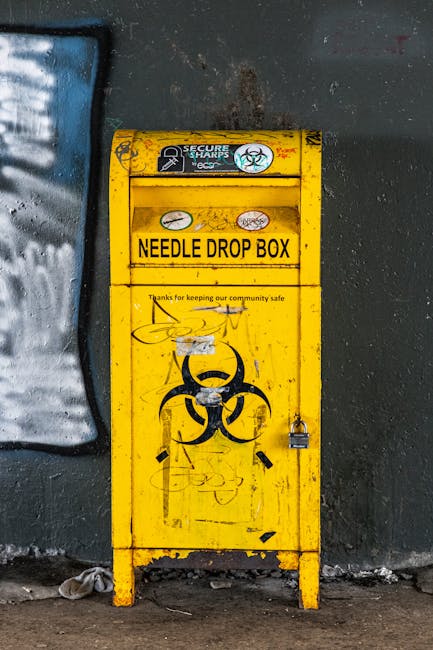
When people hear "hazardous waste", they often picture industrial chemicals or something dramatic with warning tape around it. In reality, a standard house move can produce several regulated items: leftover cleaning products, aerosols, paint, pesticides, weed killer, fluorescent tubes, fridge gases, batteries, and certain electronics. Some of these are common in family homes, student flats, offices, and even short-term lets. That is why the topic matters in New Addington just as much as anywhere else.
The legal side matters because once an item is classed as hazardous, you cannot just put it in the back of a van with the bedside table and hope for the best. Movers have to think about safety and transport rules. Homeowners have to think about proper disposal. And if a dangerous substance spills in transit, the clean-up can quickly become expensive and unpleasant. One tiny leak can make a whole load smell like solvents for days. Not ideal.
There is also a local pressure angle. Moving day often involves narrow streets, time limits, access issues, and a lot of rushing about. If hazardous items are not sorted in advance, they can slow the entire move or force a last-minute replan. For anyone dealing with a larger home move, moving house stress-free is much easier when the risky bits are already separated and labelled.
Key point: hazardous items are not a "pack later" problem. They are a "sort first" problem.
How Hazardous Items: Disposal Laws for New Addington Moves Works
The basic process is simpler than people think. First, identify items that could be flammable, toxic, corrosive, pressurised, or reactive. Then decide whether they can be used up, returned, safely stored for a short period, or taken to a proper disposal route. In most move scenarios, the right answer is to remove or reduce them before moving day rather than try to transport them at all.
Removal companies generally work to strict health and safety rules and their own transport policies. In plain English, that means they may refuse items that could ignite, leak, explode, or contaminate other goods. This is not them being awkward. It is common-sense risk control. If you have ever opened a box and found a bottle of bleach had tipped over, you already know why.
A practical way to think about it is in three stages:
- Sort: walk through the property room by room and pull out anything labelled flammable, corrosive, toxic, or pressurised.
- Separate: keep these items away from bedding, clothing, paper, and furniture.
- Dispose or transfer properly: use the correct route for the item type, the amount, and the timing of your move.
For example, if you are moving from a flat and have limited storage space before completion day, you may need to combine a sorting plan with temporary off-site storage for non-hazardous items. Our page on storage in New Addington can help if the move is getting split across dates. And if you are moving from an apartment with tight access, flat removals in New Addington can be a more realistic fit than trying to manage everything alone.
What usually counts as hazardous in a home move?
- Paint, varnish, solvents, thinners, white spirit
- Aerosols and gas canisters
- Cleaning chemicals, drain unblocks, strong detergents
- Motor oil, fuel, lawn treatment products
- Batteries, especially damaged or swollen ones
- Fluorescent tubes and some lamps
- Fire extinguishers and pressurised cylinders
- Some old appliances with residues or refrigerants
Different items often need different handling. That is the part people underestimate. A bottle of leftover shampoo is not the same as a tin of paint stripper, even if both look equally boring sitting on a shelf.
Key Benefits and Practical Advantages
Getting hazardous disposal right before a move brings more than legal peace of mind. It makes the entire relocation smoother, cleaner, and less frantic. In our experience, that matters more than most people realise once the moving van is actually outside and the clock is ticking.
- Fewer delays on moving day: no need to stop, re-pack, or argue over questionable boxes.
- Lower risk of damage: chemicals and liquids can ruin furniture, cardboard, carpets, and upholstery.
- Safer loading: the van stays free from fumes, leaks, and unstable containers.
- Better compliance: you are less likely to breach disposal or transport rules.
- Less stress: there is a lot to think about during a move; removing risky items early lifts a surprising weight off your shoulders.
There is also a practical cleanliness benefit. If you are handing back a property, hazardous leftovers are often part of the final sweep. Pairing this with a thorough finish-up, like the steps in cleaning before moving out, gives you a much tidier exit overall.
Expert summary: the best hazardous waste plan is usually the one you complete before the packing chaos begins, not after it starts.
Who This Is For and When It Makes Sense
This is relevant for almost anyone moving in or around New Addington, but especially for people whose homes have built up a bit of "moving clutter" over the years. That includes long-term homeowners, tenants leaving furnished flats, students with a surprising number of batteries and vape chargers, small businesses relocating offices, and families clearing sheds, garages, or garden cupboards.
It makes particular sense if:
- you have stored paint, solvents, or DIY products for years;
- you are moving with children or pets and want the home cleared safely;
- you are relocating from an office with printer toner, batteries, or cleaning stock;
- you are doing a same-day move and need everything sorted fast;
- you are selling, letting, or handing back a property and want no awkward leftovers.
If your move is urgent, the risk of overlooking hazardous items goes up. A fast turnaround is where mistakes happen. For those cases, it is worth thinking about how the move is staged. The timing advice in emergency moves in New Addington can help you keep a clear head when you are working against the clock.
And if your move is heavier, awkward, or split across multiple destinations, the broader service pages for removals in New Addington and removal services are useful starting points for planning around the hazardous bits rather than stumbling into them.
Step-by-Step Guidance
Here is the practical version. No fluff, no grand theory. Just a clean sequence you can actually use.
1) Start with a full property sweep
Go room by room and check cupboards, under-sink units, sheds, lofts, utility spaces, and garden storage. People forget the weird places. Half-empty tins and old aerosols love a back corner. So do spare batteries and forgotten household cleaners.
2) Read the labels, not just the container shape
Do not assume something is safe because it looks ordinary. Some products are harmless in everyday use but still require special disposal if they are pressurised or chemically active. Look for words like flammable, corrosive, toxic, irritant, or explosive.
3) Decide whether the item can be used up
If a product is safe to use in normal household quantities before the move, that may be the simplest route. For example, a little cleaner or paint touch-up product may be used properly in advance. Never mix chemicals to "finish them off" faster. That is not a clever trick. That is how people end up with a bad morning.
4) Keep incompatible items apart
Batteries, aerosols, solvents, and cleaning chemicals should not be packed together loosely. Use separate containers or clearly marked trays. Keep lids tight and stand containers upright whenever possible.
5) Ask whether the item is transportable at all
Some items are not suitable for a standard removal van. That does not mean they are impossible to dispose of; it just means they need a proper route. If in doubt, assume the mover will refuse it until confirmed otherwise. That assumption saves arguments.
6) Arrange disposal before moving day
Do not leave hazardous waste until the last box is on the trolley. Build disposal into your moving schedule early. If you are also moving bulky items that movers may not take, the article on what movers won't take is a helpful companion piece.
7) Keep a small "must not load" box
Label one container clearly for items that are staying behind, awaiting disposal, or being handled separately. This avoids the classic moving-day panic where everyone points at the same box and nobody quite remembers what is inside it.
| Item type | Typical issue | Best move-day approach |
|---|---|---|
| Paint and solvents | Flammable, leak risk, strong fumes | Use up safely, separate, or arrange special disposal |
| Aerosols | Pressurised and heat-sensitive | Keep out of the van unless clearly allowed |
| Batteries | Can short-circuit or overheat | Store separately and tape exposed terminals where appropriate |
| Cleaning chemicals | Spill risk, incompatible mixtures | Transport only if permitted and secured upright |
| Gas cylinders | High-risk pressurised container | Seek proper disposal or return route |
Expert Tips for Better Results
One of the easiest wins is to start early with the hardest cupboard in the house. Usually it is under the sink, the garage shelf, or the utility room drawer nobody wants to open. That one job often reveals half the problem in ten minutes.
Here are the habits that save the most trouble:
- Use a marker pen and stickers: label anything needing special handling immediately.
- Keep lids sealed: even "empty" containers can leak residue.
- Do not overload one box: heavy liquids can split weak cardboard.
- Separate sharp or broken items: glass shards and cracked bulbs deserve extra care.
- Check for smell: strong solvent odour usually means extra caution is needed.
- Plan disposal around the weather: on a very warm day, heat-sensitive items are less predictable. A hot van is not the place for guesswork.
If you are moving furniture as well as waste clearance, a good preparation rhythm helps. The methods in furniture removals in New Addington and moving beds and mattresses can sit alongside your hazardous sorting plan so the whole job stays ordered.
Small tip, but it matters: keep your hazardous items in one designated area and do not let them drift back into ordinary boxes. Once the "special pile" gets mixed in again, the whole point disappears.
Common Mistakes to Avoid
Most problems are not dramatic. They are small, ordinary slips that turn into moving-day headaches. The good news is that they are easy to avoid once you know what to watch for.
- Packing chemicals with linens or paperwork: one leak and you have a ruined box.
- Assuming "nearly empty" means safe: residue still counts.
- Leaving batteries loose in drawers: they can touch metal and cause damage.
- Forgetting the shed, loft, or garage: that is where the odd stuff usually lives.
- Putting off disposal until the van arrives: this creates the worst pressure point.
- Mixing multiple cleaners together: never worth the risk.
Another easy mistake is ignoring the disposal side because the item "looks small". A few small cans can still create a transport problem. Size helps, of course, but hazard type matters more than size. A tiny can of the wrong thing can be more trouble than a large but harmless box of books. Weird, but true.
Tools, Resources and Recommendations
You do not need specialist equipment for every move, but a few basic tools make hazardous sorting much safer and less messy.
- Sturdy gloves: for dusty cupboards, old tins, and sharp edges.
- Sealable plastic tubs: better than weak cardboard for awkward items.
- Permanent marker: to label "keep", "dispose", and "do not load".
- Strong tape: useful for securing lids and loose battery ends where appropriate.
- Plastic sheeting or bin liners: for temporary containment, not for hiding the problem.
It also helps to keep a simple log of what you found. Nothing fancy. Just a note on your phone or a paper list. That way, when you are halfway through the move and someone asks, "Did we sort the old paint?", you are not left staring into space.
If your move involves a combination of packing, storage, and access planning, a few other guides can make life easier: freezer storage while not in use, storing freezers not in use, and sofa storage tips. They are not hazardous-waste guides, but they do help with the overall move flow.
Law, Compliance, Standards, or Best Practice
Because this topic touches safety and disposal, the cautious approach is the right one. In the UK, households are expected to manage waste responsibly, and local disposal routes may differ depending on the item type and the council's current rules. For New Addington moves, that means checking what can go into normal household waste, what needs separate handling, and what should be treated as special waste or taken to an approved facility.
Removal teams also have to follow their own transport and safety procedures. That usually means they may refuse any item they believe could leak, ignite, explode, or contaminate the vehicle. Insurance terms, risk assessments, and general health-and-safety practice all play a part here. So do common-sense precautions like secure lids, upright containers, and clear labelling.
Best practice is simple:
- identify risky items early;
- keep them out of ordinary moving boxes;
- do not hide them among household goods;
- use a proper disposal route before or after the move;
- ask your mover in advance if something is borderline.
If you want to understand how this sits within a broader safety approach, our health and safety policy and insurance and safety information provide useful context for the standards a professional mover should be working to. For the wider legal side of using the service, terms and conditions and privacy policy are also worth a look, especially if you are booking online.
Options, Methods, or Comparison Table
There is no single "best" disposal route for every hazardous item. The right option depends on what the item is, how much you have, and how soon you are moving. Here is a simple comparison to help you decide.
| Method | Best for | Pros | Watch-outs |
|---|---|---|---|
| Use up safely before the move | Small amounts of cleaners, paints, or household products | Convenient, reduces waste | Only works if it is genuinely safe and practical |
| Separate and transport later | Items that are allowed but need care | Flexible, keeps move day cleaner | Needs clear labelling and secure storage |
| Special disposal route | Batteries, aerosols, solvents, pressurised containers | Compliant and safer | Requires a bit of planning |
| Leave with a professional mover only if confirmed | Non-hazardous or clearly permitted items | Simplifies logistics | Never assume; confirm first |
If your main challenge is a fast timetable, this is where good coordination matters. The guide on same-day removals in New Addington and the page on man and van in New Addington can be helpful when you need a flexible schedule rather than a slow, traditional setup.
Case Study or Real-World Example
Take a typical end-of-tenancy move from a two-bedroom flat in New Addington. The household has a few leftover decorating supplies from a "we'll do that later" weekend: half a tin of paint, some white spirit, a cracked aerosol can of surface spray, several loose batteries, and a couple of old light bulbs in a kitchen drawer. Nothing outrageous. Just normal life stuff.
The first instinct is often to shove everything into one plastic bag and deal with it after the van has left. That can work badly. The safer approach is to pull the items out during the pre-pack, separate them, and set them aside in one labelled container. The paint and solvent may need special disposal. The batteries should be grouped safely. The bulbs should be wrapped so they do not break. Once that is done, the moving boxes can be packed without the awkward "what is this chemical smell?" moment.
In practical terms, the move then becomes easier for everyone. The removal team is not asked to load unsafe materials. The property is easier to clean. And the final handover is less stressful, which is usually what people remember most. A small win, but a real one.
If the move also involves route planning, parking, or access constraints around New Addington streets, the local guidance in Addington Village routes and parking tips and narrow stairs and access charges can make the logistics less messy. It all connects, honestly.
Practical Checklist
Use this before move day, ideally a few days ahead if you can.
- Walk through kitchen, bathroom, shed, loft, garage, and utility areas.
- Pull out anything labelled flammable, toxic, corrosive, or pressurised.
- Separate batteries, aerosols, paints, solvents, and chemicals.
- Check for cracked containers, leaks, rust, or strong odours.
- Decide what can be used up safely and what needs special disposal.
- Keep hazardous items out of ordinary packing boxes.
- Label a separate container for "do not load" or "dispose separately".
- Ask your mover in advance if any borderline items can travel.
- Dispose of or transfer items before the main loading starts.
- Do one final sweep of cupboards and hidden storage spots.
If your move is part of a bigger life reset, the advice in stress-free house moving and safe lifting and moving technique can help with the physical side as well. The right prep makes the whole day feel lighter, and you will notice that immediately.
Conclusion
Hazardous item disposal is one of those move tasks that feels small until it suddenly becomes urgent. In New Addington, knowing the rules early keeps your move safer, your van cleaner, and your timeline far calmer. The trick is simple: identify risky items, separate them properly, and dispose of them through the correct route before they become a problem.
That careful approach protects your belongings, helps your removal team work safely, and saves you from last-minute surprises. It is a bit of admin, yes, but it is the kind that pays you back on moving day. And to be fair, anything that prevents a van full of leaking cleaning products is worth doing properly.
If you are planning a move and want to keep the process tidy from start to finish, get help early, ask the right questions, and do the hazardous sorting before the boxes pile up. It makes all the difference, genuinely.
Get a free quote today and see how much you can save.