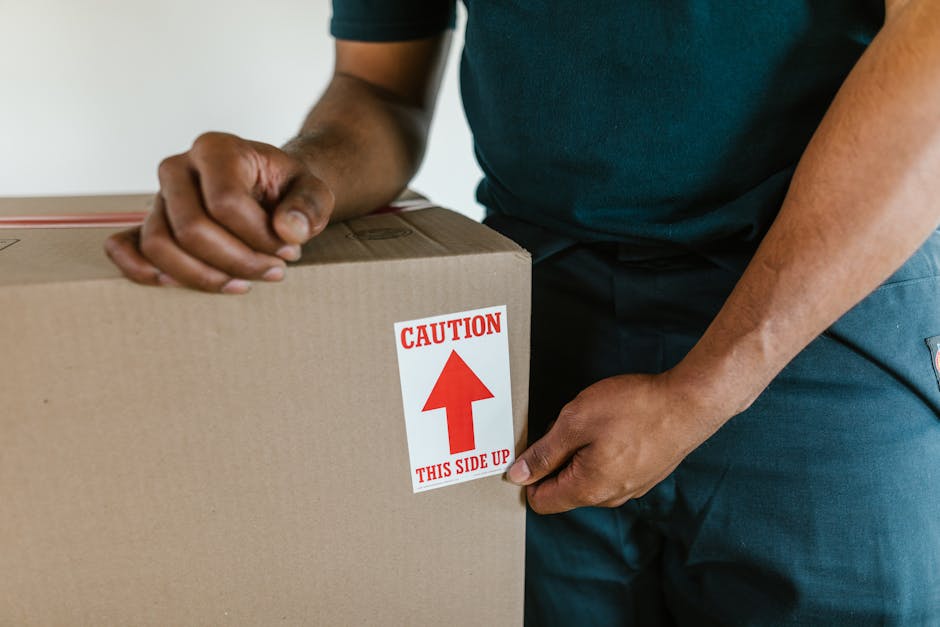




Bulky Waste in New Addington: What Movers Won't Take
Posted on 22/05/2026
Moving house is stressful enough without discovering that the one thing you need shifted most urgently is also the one thing your movers can't, or won't, take. That's the awkward reality with bulky waste in New Addington: old sofas, broken wardrobes, sagging mattresses, white goods, and odd-shaped bits of furniture often sit in a grey area between a normal move and proper disposal. If you are clearing a property, downsizing, or trying to get a room ready for handover, this guide will help you work out what belongs on the van and what needs a different plan.
In practice, the issue is not just "can it be lifted?" It's about safety, condition, transport rules, and whether the item is destined for reuse, storage, recycling, or disposal. A sensible mover will protect your belongings and their crew, which means some items are simply out of scope. That's where a bit of planning saves money, time, and a lot of faff.
For a broader look at the services around a move, you can also explore the services overview, or read the company's about us page to understand how the team works.

Why Bulky Waste in New Addington: What Movers Won't Take Matters
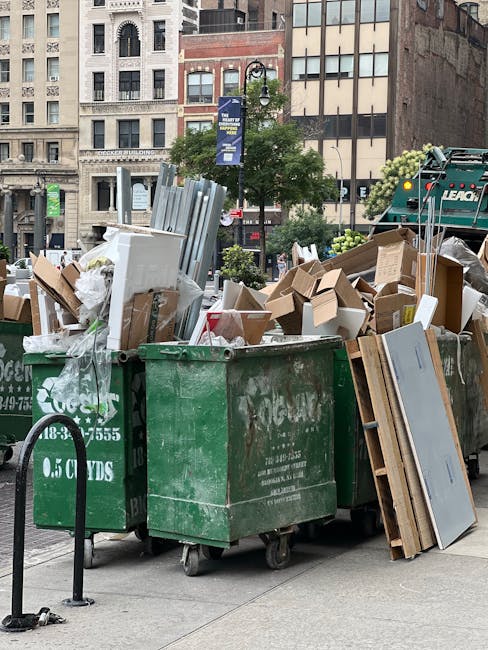
Bulky waste matters because it sits at the point where a move becomes a clearance job. A lot of people assume a removals team can simply load everything and sort it later. Sometimes they can. Often they can't. And to be fair, that's not unreasonable. A sofa with a broken frame, a waterlogged mattress, or a freezer that has not been defrosted properly can create handling risks, contamination issues, or space problems in the vehicle.
In New Addington, that can become especially relevant when you are working to a tight schedule. End-of-tenancy deadlines, same-day completions, student move-outs, office clears, and flat moves all bring that lovely combination of urgency and clutter. The fewer surprises on moving day, the better. A quick sort before the van arrives usually makes the whole job smoother.
This topic also matters because bulky waste can affect the rest of your move. If an item can't go with the main load, it may block access, slow down loading, or require a second trip. That means more cost and more stress. Nobody wants to be standing in a hallway at 7:30 in the morning deciding what to do with a bed base that should have been dealt with days earlier.
If your move is already complicated, a bit of advance decluttering can help a lot. Our guide to decluttering before a move is a useful companion piece, especially if you are trying to reduce what needs handling in the first place.
How Bulky Waste in New Addington: What Movers Won't Take Works
The basic idea is simple: removals teams prioritise safe, transportable, and clearly agreed items. Anything that is too dirty, damaged, hazardous, or outside the booked service can be declined. That is not them being difficult; it is usually a mix of risk management, vehicle protection, and service boundaries.
Here is how it tends to work in real life:
- You list the items in advance. Photos help. So does a quick description that includes size, condition, and whether the item is intact.
- The mover reviews what is acceptable. Some items are fine if prepared properly; others are a no straight away.
- You separate moveable items from bulky waste. This avoids confusion on the day and keeps the load efficient.
- The team loads only what is agreed. Anything outside the booking may be left behind, so clarity matters.
- Unwanted bulky items are handled separately. That might mean storage, disposal, donation, or a separate removal arrangement.
A practical example: if you are moving from a flat and have a wardrobe, bed, and mattress, the wardrobe may be fine if dismantled, the bed frame may be fine if ready, but a soaked mattress from a damp room may be refused because it can contaminate the vehicle and is hard to move cleanly. Same object category, different outcome.
For awkward items such as pianos or extra-heavy furniture, it is often worth checking dedicated services like piano removals in New Addington or furniture removals in New Addington rather than assuming a standard load will cover everything.
Key Benefits and Practical Advantages
Getting bulky waste sorted properly before or during a move has some very practical advantages. It is not glamorous, but it is one of those quiet decisions that makes the day feel manageable instead of chaotic.
- Less loading time. Fewer unwanted items means a quicker, cleaner load.
- Lower risk of damage. Overcrowding a van with unsuitable items can lead to scuffs, breakages, and awkward stacking.
- Better cost control. When the movers know exactly what they are taking, quotes are usually more accurate.
- Less stress on moving day. No last-minute arguments about whether the cracked wardrobe is staying or going.
- Cleaner property handover. Helpful if you are aiming for a tidy end-of-tenancy or sale completion.
There is another small benefit people often overlook: focus. Once the bulky waste is removed from the equation, you can get on with the meaningful part of moving. The things you actually want. Not the tired chair nobody has sat on properly for three years.
For many households, a good packing plan also helps. See packing perfection for a seamless move if you want to keep the rest of the process orderly.
Who This Is For and When It Makes Sense
This is relevant to more people than you might think. If you are moving home in New Addington, there is a decent chance you have at least one bulky item that no longer deserves a place in your next property.
You will likely need this guidance if you are:
- moving from a flat or maisonette with stair access that makes large items awkward
- downsizing and reducing furniture volume
- clearing an inherited property or emptying a rental
- moving student accommodation and only taking the essentials
- replacing old furniture and want the broken item removed first
- working to a same-day deadline and cannot deal with waste later
This is also useful if you have bulky items that are not exactly "waste" yet, but are not worth moving either. A freezer that will not be reused, a sofa with worn springs, or a bed that does not fit the next room can fall into that in-between category. Our articles on storing freezers not in use and moving beds and mattresses are useful if you are trying to decide what stays, what goes, and what needs special handling.
Truth be told, a lot of move-day problems come from not making these decisions early enough.
Step-by-Step Guidance
If you want to handle bulky waste in a calm, sensible way, the best approach is to break it down. One room at a time works better than trying to do the whole house in a panic the night before.
- Walk the property and mark the bulky items. Be honest about condition. If it is damaged, stained, missing parts, or no longer safe, flag it early.
- Separate keep, move, and dispose. Three piles is usually enough. Too many categories and you end up arguing with yourself over an old coffee table.
- Check whether items need dismantling. Flat-pack wardrobes, bed frames, and some tables are easier to remove in sections. If you are unsure, ask before taking apart something that cannot be rebuilt properly.
- Photograph awkward pieces. Photos help the mover understand whether access is tight or whether an item needs specialist handling.
- Confirm what the removals team will take. A quick conversation can prevent misunderstandings. A good provider will be clear about exclusions.
- Arrange a separate plan for anything refused. That might mean storage, another removal slot, or disposal through a suitable route.
- Clear access routes. Hallways, doorframes, and stairwells should be free of loose clutter so large pieces can be moved safely.
If your items are being moved rather than discarded, it may help to use the right van size and service. The pages on man with a van in New Addington and removal van options are good starting points when you need a practical, flexible solution.
Expert Tips for Better Results
A few small habits make bulky waste handling far easier. Nothing magical. Just the kind of common-sense steps that stop the day going sideways.
- Don't leave the decision until the van arrives. That is the fastest way to slow everything down.
- Measure doorways and stair turns for large items. A wardrobe that looks fine in the bedroom can become a stubborn beast at the top of the stairs.
- Clean items before moving them if they are staying. This is particularly helpful for fridges, freezers, and sofas. See cleaning before moving out and sofa storage tips for practical advice.
- Keep screws, brackets, and fittings in labelled bags. It sounds tiny. It is tiny. But it saves a lot of hassle later.
- Use proper lifting technique. Heavy furniture is no joke. If you are doing any lifting yourself, the guide on effective kinetic lifting is worth a read.
- Ask about short-term storage if you are undecided. Sometimes the best answer is not disposal; it is parking an item safely for a few weeks while you decide.
One more thing. If an item is technically movable but not worth the effort, let that influence your choice. There is no prize for keeping a tired, oversized armchair just because it survived the last three moves.
Common Mistakes to Avoid
Most bulky waste problems are avoidable. The trouble is they usually show up at the worst possible time.
- Assuming the movers will take everything. They usually will not, and they should not if the item is unsafe or outside the booked scope.
- Not declaring condition issues. Hidden damage, leaks, or mould can change how an item must be handled.
- Forgetting about access. If a sofa will not fit through the stairwell, it may need to be dismantled or removed another way.
- Mixing waste with salvageable furniture. That just creates confusion and slows the load.
- Leaving decisions until the last minute. The classic mistake. Very common. Very expensive in time and patience.
- Trying to move hazardous or contaminated items without checking. That can create a safety issue for everyone involved.
A small but important one: don't hide the awkward item at the back of the shed and hope nobody notices. They notice. They always notice.
Tools, Resources and Recommendations
You do not need a warehouse full of equipment to deal with bulky waste sensibly. A few simple tools and the right service mix will usually do the job.
| Item or Resource | What It Helps With | Best Use |
|---|---|---|
| Measuring tape | Checks if bulky furniture will fit through doors and stairs | Before dismantling or booking transport |
| Marker labels | Separates keep, move, and dispose piles | During pre-move sorting |
| Heavy-duty bags or boxes | Collects small parts, fittings, and loose contents | When dismantling furniture |
| Protective gloves | Helps with dirty, sharp, or rough-edged items | While sorting and carrying waste |
| Storage solution | Holds items you are not ready to discard | For temporary overflow or staged moves |
If your plan involves keeping items for later, take a look at storage in New Addington. If you need help with boxes and packing materials, the packing and boxes service can make the whole process less chaotic.
For safety-minded readers, the company's health and safety policy and insurance and safety information are also worth checking. They give you a clearer sense of how careful handling is approached.
Law, Compliance, Standards, or Best Practice
Bulky waste and removals sit close to areas where UK best practice matters: safe lifting, proper vehicle loading, and responsible disposal. Without getting overly technical, the key principle is simple. You should not put people, property, or transport safety at risk just to move an item that should have been handled differently.
Good practice usually means:
- being honest about what the item is and what condition it is in
- separating reusable goods from waste where possible
- avoiding contamination of clean household items
- using suitable lifting and loading methods
- respecting the mover's terms and exclusions
If you are disposing of bulky waste yourself, be careful about where it ends up and how it is handled. If you are booking a removals company, check the service wording carefully so there are no surprises about what is included. The pages on terms and conditions and recycling and sustainability can help you understand the approach to responsible handling.
For people moving from a flat or a busy shared building, access also matters. If stairs, lifts, and tight turns are part of the job, see flat removals in New Addington and Addington Village routes and parking tips for local planning considerations.
Options, Methods, or Comparison Table
There is no single right way to deal with bulky waste. The best method depends on the item, the deadline, and whether the piece has any value left in it.
| Option | Best For | Pros | Watch Outs |
|---|---|---|---|
| Move with the removals team | Reusable furniture, beds, clean appliances | Convenient, efficient, often simplest | Not suitable for unsafe or contaminated items |
| Temporary storage | Items you are unsure about | Buys time to decide, keeps the move tidy | Costs more than immediate disposal |
| Separate disposal arrangement | Broken or unwanted bulky waste | Removes clutter properly | Needs planning and may require extra booking |
| Sell or donate | Usable furniture with life left in it | Can reduce waste and help others | Not practical for damaged items or urgent moves |
In many cases, the smartest route is a mix. For example, move the good bed frame, store the spare dresser, and dispose of the cracked wardrobe. That combination is often more realistic than trying to make one service do everything.
Case Study or Real-World Example
Here's a straightforward example from a typical local move. A couple in New Addington were leaving a two-bedroom flat and had a large sofa, a disassembled bed, an old freezer, and a heavy dining table. The sofa was staying because it was in good condition. The bed was going to the new place. The freezer, however, had been unused for months and had a smell that made it obvious it was not coming along. The dining table had a damaged leg and had clearly reached the end of its life.
Instead of trying to decide everything on moving morning, they split the job three days early. The freezer was planned for separate handling, the broken table was marked as bulky waste, and the sofa and bed were prepared for transport. They labelled screws, cleared the hallway, and measured the awkward stair bend at the entrance. Small effort, big difference. On the day, loading went smoothly, nobody was trying to argue over a rotten table leg, and the property was left much tidier.
That is the real lesson here. The best bulky waste plan is usually boring in the best possible way. Clear decisions, early sorting, no drama.
Practical Checklist
Use this before booking or loading anything bulky.
- Have I listed every large item in the property?
- Do I know which items are moving, storing, donating, or discarding?
- Have I checked the condition of each bulky item?
- Can the item be safely carried through the property without dismantling?
- Have I measured the awkward doors, stairs, or corners?
- Have I told the mover about anything heavy, fragile, dirty, or unusual?
- Are screws, bolts, and fittings packed and labelled?
- Do I need same-day removals in New Addington for anything urgent?
- Have I arranged storage or disposal for items the mover will not take?
- Is the path from room to van completely clear?
That list sounds simple, but it catches a surprising number of problems before they become a headache.
Get a free quote today and see how much you can save.
Conclusion
Bulky waste in New Addington is less about "junk" and more about planning. Once you understand what movers won't take, you can make better decisions about what to move, what to store, and what to let go of. That clarity helps protect your budget, keeps people safe, and makes moving day feel a lot more manageable.
If you are unsure whether an item belongs in the van, ask early, be specific, and separate the keepers from the no-hopers before the pressure starts. That one habit can save a lot of last-minute stress. And honestly, that's what people usually want most: a move that feels controlled, not scrambled.
If you need practical help with the bigger picture, the team behind removals in New Addington can help you get organised, stay safe, and keep the day moving. Quietly, steadily, and without the usual moving-day drama.
Sometimes the best move is knowing what not to move.