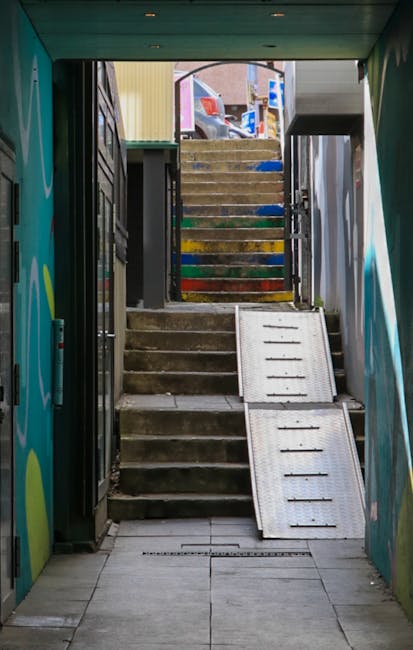




Access Charges & Narrow Stairs: New Addington Issues
Posted on 18/06/2026

Access Charges & Narrow Stairs: New Addington Issues
If you are planning a move in the area, Access Charges & Narrow Stairs: New Addington Issues can become the part nobody really talks about until the van is outside and the clock is ticking. A perfectly ordinary removal can suddenly feel awkward: a long walk from the nearest parking spot, a shared entrance with tight turns, or a staircase that looks simple until a sofa tries to go round it. That is where planning matters. It can save money, reduce stress, and stop a small access problem turning into a long, frustrating delay.
This guide breaks the topic down in plain English. You will learn what access charges usually mean, why narrow stairs create extra challenges, how removal teams typically assess these issues, and what you can do before moving day to keep everything smoother. We will also cover the mistakes people make, the best practical fixes, and the key questions to ask before you book. No fluff. Just the kind of advice that helps when you are standing in the hallway wondering, "Right... how is this actually going to work?"
Why Access Charges & Narrow Stairs in New Addington Matter
Access issues are not a niche problem. They are one of the most common reasons a move becomes slower, more expensive, or simply more stressful than expected. In New Addington, that can mean anything from limited parking near a property to narrow staircases in flats, maisonettes, converted houses, or shared accommodation. Add a heavy wardrobe, a mattress that catches on every corner, or a fridge that needs careful handling, and you suddenly have a logistics problem rather than a simple lifting job.
The reason it matters is pretty straightforward: removal teams need time, space, and a safe route. If those things are missing, the job may still be doable, but it often takes longer and may require extra labour, specialist equipment, or a different vehicle plan. To be fair, that is not a problem in itself. The problem is when nobody mentions it early enough. Then the quote looks one way, the day unfolds another way, and everyone feels a bit pressed.
Access charges, where used, are usually about the extra work involved in difficult access conditions. They are not a punishment. They are a way of reflecting real operational effort: carrying items further, navigating stairs, protecting walls and banisters, or using additional crew members. In practice, the best outcomes come from being honest up front. A short stairwell or a tight landing is much easier to deal with on paper than when a sofa is already halfway turned and someone is trying not to chip the paint.
Expert summary: the earlier access difficulty is identified, the better the move can be planned. That means fewer surprises, safer handling, and a more realistic quote. A bit dull? Maybe. But dull is better than chaos on moving day.
How Access Charges & Narrow Stairs Work
Every removal company handles access differently, but the process usually follows the same logic. First, the property is assessed. That assessment may happen over the phone, through photos, or during a more detailed pre-move discussion. The team looks at the route from the property to the vehicle, the width of staircases and landings, the presence of lifts, the availability of parking, and whether large items can be moved without dismantling them.
If the route is straightforward, no extra charge may be needed. If the route is awkward, the company may allow extra time, add labour, or apply an access-related adjustment to the quote. In some cases, the charge is tied to how many floors are involved. In others, it depends on distance from the van, the difficulty of carrying, or whether specialist equipment is needed. There is no universal formula, which is why clarity matters so much.
Narrow stairs create very specific problems. A sofa may need to be tilted, rotated, or partially dismantled. A bed frame might go up easily enough, then snag at the top turn. A piano? That is a different league altogether, and one where specialist handling is usually sensible rather than brave. If you want a better feel for why some items need extra care, the advice in our piano moving guide is a good reminder that awkward access changes everything.
On busy moving days, the practical issue is usually time. A staircase that looks harmless in the morning can slow the whole schedule down if every item has to be turned and checked twice. That is why moving teams like precise information. A few extra photos or a quick walk-through description can be worth far more than a vague "it should be fine".
Key Benefits and Practical Advantages
It may sound strange to talk about benefits when the topic is access problems, but there are real upsides to identifying them early. Once you know what you are dealing with, you can plan around it instead of reacting to it.
- More accurate pricing: clearer access details usually mean fewer awkward surprises later.
- Smoother scheduling: the crew can allow realistic time for stairs, carrying distance, and parking.
- Better protection for belongings: difficult routes often require blankets, corner protection, and slower handling.
- Reduced risk of damage: both your furniture and the property are easier to protect when the route is known.
- Less stress on the day: nobody likes discovering that the wardrobe will not clear the stair bend at 3pm.
There is also a quieter benefit: good planning makes the whole move feel more professional. That matters whether you are moving from a top-floor flat, a shared house, or a family home with a tight front entrance. It is a small thing, really, but it changes the tone of the day. Instead of panic, you get a plan.
If you are already thinking about how the rest of the move will fit together, a broader planning resource like moving house without the stress can help you organise the whole process, not just the difficult staircases.
Who This Is For and When It Makes Sense
This issue matters for anyone moving from a property where access is not simple. That includes first-floor flats, converted buildings, maisonettes, student lets, older homes with narrow staircases, properties with limited kerbside access, and homes where large furniture has to travel a long internal route. It also matters if you are moving out of a building with shared hallways or tight turns, even if the stairs themselves look manageable.
It makes particular sense to think about access charges and stair difficulty when you are moving:
- large wardrobes, sofas, mattresses, beds, or appliances;
- items with delicate finishes or awkward shapes;
- heavy boxes up several flights of stairs;
- furniture that may need partial dismantling;
- belongings from a property where parking is restricted or distant.
If you are in a flat, the planning is often even more important. Shared entrances, narrow landings, and awkward corners can turn a short job into a longer one. A useful place to start if your move is flat-based is flat removals in New Addington, because the same sort of access questions usually come up there.
Students, in particular, can underestimate this. A few boxes, a desk, a bed, and a small sofa sounds manageable until there is no lift, the stairwell is tight, and the only parking space is on the other side of the road. Been there. More than once, actually.
Step-by-Step Guidance
If you want to keep access charges under control and avoid slowdowns, work through the move in a sensible order. Nothing fancy. Just a clean process.
- Measure the route. Check door widths, stair turns, landings, and any awkward corners. If your largest item is a sofa or mattress, measure that first. Not the box of books. The sofa.
- Check parking and unloading distance. Think about where the van can stop legally and safely. If the vehicle has to park far away, say so early. It changes the time and labour involved.
- Identify problem items. List anything likely to need dismantling, lifting at an angle, or extra care. Beds, wardrobes, and appliances are the usual suspects.
- Share photos. Clear images of staircases, landings, the front entrance, and parking area are often enough to help a mover judge the job properly.
- Ask about the charging method. Is access charged by time, manpower, difficulty, or floor level? Ask before booking. Simple question, big difference.
- Prepare the property. Clear hallways, remove loose clutter, and make the route as open as possible. It sounds obvious, yet people forget it at the exact wrong moment.
- Disassemble what you can. A bed frame or table that comes apart neatly is usually easier to move than one that does not.
- Confirm the moving plan. On the day, make sure everyone knows which items go first, which route to use, and where the van will wait.
For a more detailed packing and preparation rhythm, the article on packing a seamless move is useful, especially if you are trying to keep boxes and furniture organised before the first lift even starts.
One small but helpful habit: keep your "easy access" items separate from the awkward ones. That way the team can begin with straightforward pieces while you finalise the trickier stuff. It keeps momentum. And momentum matters.
Expert Tips for Better Results
The moves that run smoothly are usually the ones where the awkward parts were handled before anyone arrived. That sounds almost too simple, but it is true. Here are the details worth paying attention to.
- Don't wait until moving day to reveal access issues. If the staircase is narrow, say so. If there is no lift, say so. If the parking is awkward, say so again.
- Take measurements in advance. Even rough measurements are better than guesswork. Guesswork has a funny way of becoming expensive.
- Protect tight corners. Banisters, wall edges, and door frames take the brunt of difficult access. Covers and blankets can make a real difference.
- Pack heavier items in smaller boxes. This is one of those boring pieces of advice that saves backs and stairwells alike.
- Use dismantling where sensible. Beds, tables, and wardrobe doors often move more easily when broken down.
- Keep a clear path to the door. Shoes, bins, plant pots, and random bits of furniture all become trip hazards surprisingly fast.
- Expect the unexpected turn. Narrow staircases usually have one bend that is just awkward enough to cause delay. Plan for that bend, not the "ideal" route.
If heavy lifting is involved, it helps to understand the body mechanics too. The guidance in effective lifting technique is a solid reminder that good posture and controlled movement are not optional extras.
And yes, sometimes the best expert tip is simply this: don't try to be a hero with a chest of drawers that clearly wants to stay downstairs. It is not worth the scrape on the wall or the grumble in your shoulder.
Common Mistakes to Avoid
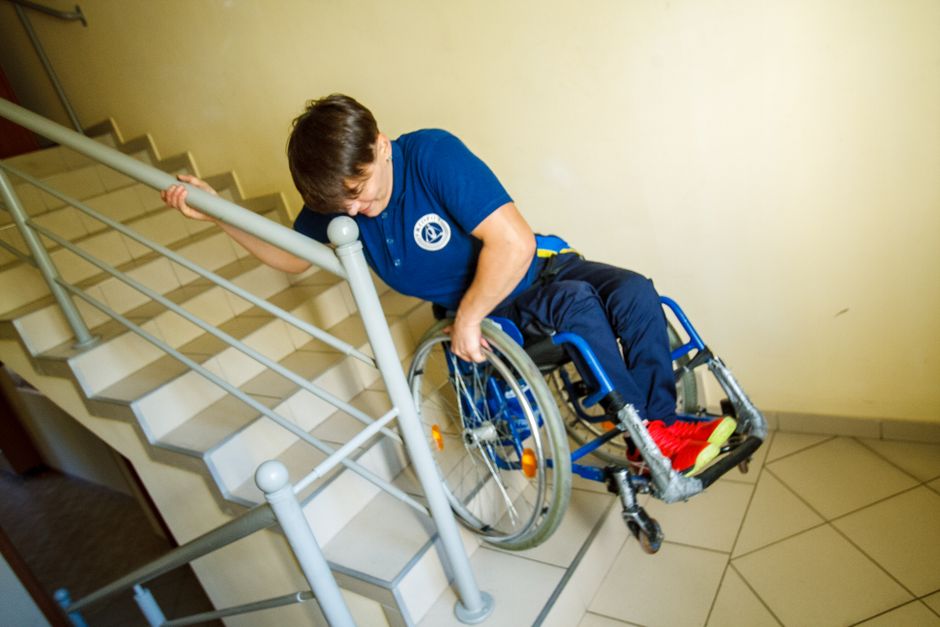
Most access problems are not actually caused by the stairs. They are caused by assumptions. That is the awkward truth.
- Assuming the mover will "just manage". Maybe they will. But maybe they need a bigger crew or more time.
- Forgetting to mention parking restrictions. A van can only unload efficiently if it can stop somewhere reasonable.
- Ignoring the largest item. One oversized sofa can change the entire plan.
- Not checking lift availability. Shared buildings sometimes have lifts, but not always usable ones on moving day.
- Leaving dismantling until the last minute. That is how delays start.
- Filling boxes too heavy. The stairs are one issue; the box weight is another.
- Underestimating time. Access-related delays stack up. A few extra minutes here and there become a real chunk of the day.
Another mistake is not being honest about the route from flat to van. If a mover expects a short carry and gets a long walk through an estate or a tricky entrance, the schedule can fall behind very quickly. If you are unsure what kinds of items may need more planning, the article on moving heavy loads safely is worth a look, even if you are not doing the lifting yourself.
Truth be told, a move with narrow stairs is rarely ruined by the stairs alone. It is usually the missing detail, the forgotten measurement, or the late change that causes the headache.
Tools, Resources and Recommendations
You do not need a warehouse full of kit to handle access challenges properly, but a few practical tools help a great deal.
- Measuring tape: for doors, hallways, stair turns, and furniture dimensions.
- Furniture straps and protective covers: useful for grip and surface protection.
- Blankets and corner guards: helpful for walls, frames, and banisters.
- Allen keys and screwdrivers: for bed frames, table legs, and flat-pack items.
- Labels and marker pens: so dismantled parts and boxes do not become a mystery later.
- Photo notes on your phone: a surprisingly effective way to show access problems before the move.
For broader move preparation, two practical resources are especially helpful: decluttering before a move and cleaning before moving out. Both reduce clutter, which in turn makes narrow stair access easier to handle. Fewer loose items, fewer trips, fewer chances to snag a box on the banister.
If storage becomes part of the plan because access is too awkward on the day, you may also want to think about temporary holding space. In some moves, that is the calmest solution. A short pause, then a cleaner move in the next phase.
Law, Compliance, Standards, or Best Practice
This topic is less about formal regulation and more about sensible working practice. Still, there are some important standards and duties to keep in mind. Removal teams should work safely, assess risks reasonably, and avoid forcing items through spaces where damage or injury is likely. Customers, meanwhile, should give accurate information so the job can be planned properly.
In the UK, good moving practice normally includes careful manual handling, sensible use of protective equipment, and a realistic understanding of what can be moved safely through a property. That matters on narrow stairs because the risk is not just to furniture. It is to backs, hands, walls, bannisters, and floors too.
Best practice also means clarity in pricing. If access affects the quote, that should be explained plainly. If a job needs more than one person because of stairs or carrying distance, that should be communicated before the day where possible. Nobody enjoys a vague surprise charge. Not the customer, not the team, and frankly not the person trying to explain it at the doorstep either.
If you want reassurance around service standards, policies, and what a responsible provider should be thinking about, the pages on health and safety, insurance and safety, and terms and conditions are useful reading before you book any move. They help set expectations properly.
Options, Methods, or Comparison Table
Not every difficult-access move needs the same approach. The right method depends on the property, the furniture, and how tight the stairwell or access route really is. Here is a simple comparison that reflects common moving situations.
| Approach | Best for | Advantages | Limitations |
|---|---|---|---|
| Standard removal with no extra planning | Easy access, short carry, broad stairs | Fast, straightforward, often the simplest option | Not suitable if the route is tight or parking is poor |
| Pre-assessed access move | Flats, narrow staircases, awkward entrances | More accurate quote, fewer surprises, better crew planning | Needs clear information and sometimes photos |
| Partially dismantled furniture move | Wardrobes, beds, tables, bulky items | Improves clearance and reduces risk of damage | Requires time, tools, and reassembly later |
| Two-person or multi-person handling | Heavy loads, stairs, long carry distances | Safer, more controlled, less strain | May involve additional labour cost |
| Staged move with storage | Very difficult access or time-sensitive departures | Reduces pressure and allows a cleaner overall plan | Not ideal if you need everything moved in one go |
If your move is already complex, you may find the broader service pages useful when deciding what kind of support you need. For example, removals in New Addington, man with a van, and removal services can suit different levels of access difficulty and load size.
Case Study or Real-World Example
A common New Addington scenario goes like this. Someone is moving out of a top-floor flat with a narrow staircase, a shared front entrance, and no lift. The main items are a bed frame, mattress, chest of drawers, sofa, and around a dozen boxes. On paper, it looks manageable. In reality, the sofa catches on the turn halfway down the stairs, the mattress blocks the landing, and the parking space outside is already taken.
Now, that does not mean the move fails. It means the move needs a better plan. In a case like that, a sensible approach would be to measure the biggest pieces first, dismantle the bed frame, move smaller items ahead of the sofa, and confirm a safe parking spot before the van arrives. If the access route is particularly awkward, an additional helper may be the difference between a frustrating delay and a clean, controlled move.
What usually helps most in these situations is not brute force. It is sequencing. Start with what fits easily. Keep a watch on the staircase bend. Protect the walls before the first heavy item moves. And if something genuinely does not fit, pause rather than forcing it. A little pause can save a lot of bother. I have seen more than one move become much calmer after a five-minute rethink.
For furniture-heavy jobs, the page on furniture removals in New Addington is a sensible reference point, especially where bulky items and narrow access meet.
Practical Checklist
Use this checklist before moving day. It is simple, but honestly, the simple stuff is what gets overlooked.
- Measure your largest items and the narrowest access points.
- Check for stairs, turns, low ceilings, and tight landings.
- Confirm where the van can park safely and legally.
- Tell the mover about any lift, step, or entry restriction.
- Share photos of the route, not just the rooms.
- Disassemble furniture where practical.
- Pack heavy items into smaller boxes.
- Clear hallways, porches, and landings.
- Protect corners, banisters, and door frames.
- Confirm whether access affects time, labour, or the final quote.
- Keep keys, entry codes, and contact details ready.
- Plan a backup option if the route proves tighter than expected.
If you are still at the planning stage, pricing and quotes can help you think about how access details are likely to affect the overall cost. And if you want a broader overview of what the business offers, services overview is useful without being overcomplicated.
Conclusion
Access charges and narrow stairs are not a reason to dread your move. They are simply part of the practical reality of moving in and around New Addington, especially in homes where space is tight or access is a bit awkward. Once you know what to expect, the whole process becomes much easier to manage. Honest access details, a realistic route plan, and a few sensible preparations can turn a stressful day into a controlled one.
The big lesson here is that good moving outcomes usually come from clear information, not lucky guesses. Measure early, share details honestly, and give the team a proper picture of the access route. That way, nobody is left improvising at the bottom of the stairs with a sofa that has clearly had enough.
Get a free quote today and see how much you can save.
If you would like to talk through a tricky staircase, awkward parking, or a move that needs a bit more planning, the team at about us is a good place to learn more, and the contact page is there when you are ready to ask the practical questions. Sometimes a short conversation is all it takes to make the whole thing feel lighter.