New Addington High Street Removals: How to Avoid School Run Delays
Moving on or near New Addington High Street can be surprisingly straightforward if you time it well. The tricky bit is the school run. Anyone who has sat in slow-moving traffic while parents, prams, scooters, and last-minute drop-offs fill the road knows the feeling. New Addington high street removals avoid school run delays when the move is planned around those peak windows, the vehicle size is chosen sensibly, and loading is done in a way that keeps everyone moving.
This guide explains how to do that properly. We'll look at the best times to book, why the high street creates pinch points, how to reduce disruption, and what to check before moving day. You'll also get a practical checklist, a comparison of moving options, and a realistic look at the kind of jobs where a local removal team can make life easier. Let's face it, nobody wants the front door open, boxes halfway out, and a queue of cars building behind the van.
Contents
- Why it matters
- How it works
- Key benefits and practical advantages
- Who this is for
- Step-by-step guidance
- Expert tips
- Common mistakes to avoid
- Tools, resources and recommendations
- Law, compliance and best practice
- Options and comparison table
- Case study
- Practical checklist
- Conclusion
- Frequently asked questions
Why New Addington high street removals avoid school run delays Matters
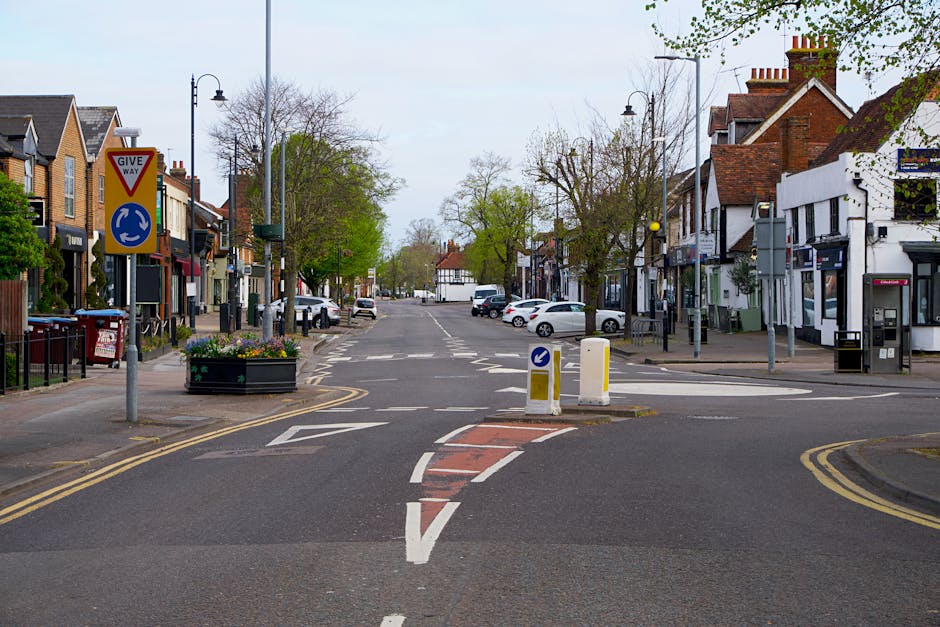
New Addington High Street is the kind of place where timing matters more than people expect. It is a busy local route, with regular short-stop traffic, shoppers, buses, crossings, and the daily school movement that can turn a short job into a slow one. If your removals clash with those busy periods, even a modest move can become awkward fast.
For families, the school run is not just traffic. It is a rhythm. Cars stop, doors open, children cross, and everybody is trying to get somewhere on time. If a removals van blocks the wrong section of road, you can create frustration for neighbours and unnecessary pressure for yourself. A smarter schedule avoids that, and it usually makes the whole move feel calmer too.
There is another reason this matters: moving day already asks a lot from you. Keys, boxes, breakables, paperwork, children, pets, parking, cleaning, and the inevitable missing kettle. If you remove the one predictable traffic headache from the equation, the rest becomes more manageable. That sounds simple, but honestly, it saves a lot of stress.
Expert summary: The best removal plan near a busy high street is not just about lifting boxes efficiently. It is about choosing the right time slot, parking strategy, and loading sequence so the street stays usable for everyone else.
How New Addington high street removals avoid school run delays Works
The approach is really a mix of timing, access planning, and common sense. Most delays happen because people focus only on the property move itself and forget the street outside the front door. On a busy local road, that bit is often where the issue begins.
1. Move outside peak school run windows
The simplest fix is booking loading and departure outside the busiest school drop-off and pick-up periods. In practice, that often means early morning before traffic builds, late morning after the rush has gone, or early afternoon before collection starts again. Exact patterns vary by day and by school, so a little local awareness goes a long way.
2. Use the right vehicle for the street
A smaller man and van style move can be a sensible choice when access is tight or the load is modest. For larger households, a bigger removal van or moving van may be better, but only if it can park safely without causing a bottleneck. Size matters, but so does street behaviour. A huge vehicle is not automatically the best answer.
3. Stage items before the van arrives
If boxes are ready to go, the team can load quickly and clear the frontage faster. That means less time with doors open and less chance of blocking a pavement or road edge while the school run crowd moves past. Simple, but effective.
4. Build in a buffer
Even the best plan can hit a small delay. A parked car, a short burst of traffic, or a last-minute key issue can throw things off. Padding the schedule by thirty to sixty minutes is often enough to keep the move from overlapping with school traffic. You do not need to over-engineer it. Just give yourself breathing room.
If the move is more complex, it can also help to use a professional team that understands residential access and local timing pressures. Services such as removals or a local removal company are usually better placed to manage the sequence properly than a rushed DIY approach.
Key Benefits and Practical Advantages
There are obvious benefits, and then there are the quieter ones that people only notice once the day is over. Avoiding school run delays is about more than traffic. It shapes the whole mood of the move.
- Less stress at the kerbside: no one likes standing in the road wondering whether they are in the way.
- Quicker loading: clear access usually means fewer pauses and faster progress.
- Better neighbour relations: you are less likely to frustrate parents, pedestrians, or nearby residents.
- Safer lifting: teams can move at a steady pace instead of rushing because traffic has built up.
- Lower chance of parking conflict: good timing reduces the odds of awkward manoeuvres.
- Smoother start to the day: when the street is calmer, you feel calmer too. Funny how that works.
There is also a practical money angle. Delays can increase labour time, extend vehicle hire, and make the whole day feel longer than it needs to be. If you are comparing options, have a look at pricing and quotes so you can understand how timing, access, and vehicle choice may affect the final cost.
For business moves, the same principle applies. A planned commercial shift often runs much more efficiently when it is coordinated around local traffic patterns and off-peak access. If that sounds familiar, commercial moves and office removals are worth thinking about in the same way.
Who This Is For and When It Makes Sense
This kind of planning is useful for anyone moving near the high street, but it is especially relevant if you are:
- moving from a flat or terraced house with limited roadside space
- working to a tight completion window
- moving with children at home during term time
- relocating a small office or shop stock during weekday hours
- using a vehicle that needs to stop close to the entrance
- trying to avoid fuss with neighbours or nearby schools
It also makes sense if you have a lot of fragile items, because a calmer loading environment tends to reduce mistakes. That matters more than people admit. A rushed lift in a cramped space is how chipped furniture and annoying scrapes happen. No drama, just experience.
If you are in a family home, a full-service home move may be the cleanest option. If the job is smaller and you mainly need help with transport and lifting, man with a van or man with van removal can be a better fit.
Step-by-Step Guidance
Here is a practical way to plan the move so it does not collide with the school run.
- Check the likely busy periods. Look at the school timetable patterns around the route, especially drop-off and pick-up times. Even if you do not know the exact traffic flow, you can usually predict the worst half-hours.
- Choose a realistic arrival time. Do not schedule the van to arrive right at the height of the rush. Aim for a window that lets the team load before or after it.
- Pre-pack the small stuff. Books, ornaments, kitchenware, clothes, and paperwork should be boxed before moving day. That keeps the van on the road instead of sitting outside while you finish packing.
- Reserve the best access point. If there is a safer place to stop, use it. Sometimes a short walk with a trolley is better than squeezing into the most obvious spot.
- Tell neighbours early. A polite note or quick conversation can prevent surprise and make everyone more patient. You do not need a parade, just a heads-up.
- Keep essentials separate. Kettles, chargers, documents, medicines, and a change of clothes should travel with you, not buried in the back of the van.
- Load in a sensible order. Big, heavy items first; fragile and day-one essentials last, or at least accessible. That way unloading at the other end stays neat.
- Leave a buffer before the school run begins. If the vehicle needs to move on, make sure it is clear with time to spare. This one small adjustment can save the whole job.
A tiny but useful detail: if you are moving children too, plan their departure separately. Sometimes it is better for them to arrive at the new place with another adult while the loading continues. It keeps the front door less chaotic. Which, to be fair, is always nice.
Expert Tips for Better Results
These are the sorts of things that tend to make a move smoother in the real world, not just on paper.
- Start earlier than you think. People almost always underestimate how long it takes to get the first items out.
- Use colour labels or room labels. It sounds simple because it is simple, and simple usually wins on moving day.
- Protect the walk path. A narrow pavement or front step can become slippery or cluttered fast if you are not careful.
- Keep the van moving plan clear. Decide in advance who is directing loading, who is carrying, and who is dealing with keys.
- Have a backup parking thought. If the ideal spot is taken, what is Plan B? You want that answer before the van arrives.
- Don't wait to sort out paperwork. Ten minutes spent looking for documents can become thirty when everyone is tired.
One more practical point: if you are moving a bigger house, there is real value in using a team that can combine transport with packing and unpacking services. It reduces the number of moving parts on the day, and fewer moving parts usually means fewer delays. Old-fashioned advice, maybe. Still true.
If you want a fuller comparison of professional help, you may also find movers and house removals helpful when weighing up the level of support you actually need.
Common Mistakes to Avoid
Some mistakes are obvious. Others only reveal themselves at 8:15 in the morning when the road is packed and the sofa is still in the hallway.
- Booking during the busiest school traffic window. This is the main one, and it causes most avoidable friction.
- Assuming a short move needs no planning. Short distance does not mean short loading time.
- Underestimating the size of the vehicle. Too small means too many trips. Too big can create access problems.
- Blocking the pavement or entrance. Even briefly, that can make life awkward for pedestrians and neighbours.
- Not telling the crew about access restrictions. Stairs, low branches, narrow bays, one-way access - these all matter.
- Leaving packed bags until the end. That is how passports, chargers, and children's favourite toys go missing. Ask me how people know.
- Forgetting insurance and safety checks. If items are valuable or delicate, you want clarity before anything goes in the van.
Truth be told, the biggest mistake is usually trying to wing it. Moving is one of those jobs that rewards boring, careful planning. Boring is good here.
Tools, Resources and Recommendations
You do not need a mountain of gear, but a few practical tools make a big difference.
- Box labels: room names, priority items, and "fragile" notes help a lot.
- Stretch wrap and blankets: useful for drawers, table legs, and surfaces that mark easily.
- Dolly or sack truck: helpful for heavier items if the access route allows it.
- Phone notes app or checklist: a simple running list keeps the day organised.
- Tea, water, and snacks: not glamorous, but nobody thinks straight when they are hungry.
For bigger or more complex moves, it can be worth exploring a few service types before deciding. A removal services page can help frame what level of support is offered, while house movers may suit a domestic relocation with furniture, appliances, and multiple rooms. If you only need a vehicle and labour for a smaller job, the more focused removals van option can be a neat fit.
And if you are comparing approaches, it is worth taking a moment to look at how each option handles timing, loading speed, and access. That's where the real difference is, not in the headline description.
Law, Compliance, Standards, or Best Practice
For a local residential move, there is usually no single special law about school run delays. The more relevant point is good street behaviour, safe loading, and respecting shared access. In the UK, drivers and removals teams are generally expected to park responsibly, avoid unnecessary obstruction, and carry items safely. That is less a fancy rulebook and more basic professionalism.
Best practice also includes being mindful of pavement access, keeping clear of crossings, and not forcing other road users into unsafe manoeuvres. If the move involves a commercial property or larger vehicle, planning becomes even more important because business deliveries, staff access, and local traffic all interact.
It is sensible to check a provider's safety and insurance information before you book. Pages such as health and safety policy and insurance and safety help show how a company approaches the practical side of the work. You may also want to read the terms and conditions so expectations are clear.
For sustainable disposal or unwanted items, it is worth understanding how a company handles recycling and reuse. A good mover should be able to explain its approach in plain English. If they cannot, that is a fair warning sign.
Options, Methods, or Comparison Table
Choosing the right moving method depends on how much you are moving, how tight the access is, and how close you are to the school run. Here is a simple comparison.
| Option | Best for | School run advantage | Watch out for |
|---|---|---|---|
| Man and van | Small moves, a few rooms, quick collections | Usually easier to park and unload quickly | May need extra trips if the load is larger than expected |
| Removal van | Medium-sized home moves | Can combine speed with capacity if access is manageable | Needs a clear parking plan near busy streets |
| Full removals team | Larger homes, family moves, complex items | Fast loading and better organisation can cut roadside time | Usually needs the most careful scheduling |
| Office or commercial relocation | Businesses, stock, equipment, desks, files | Can be timed outside school traffic and peak public hours | Needs clear stakeholder coordination |
There is no perfect one-size-fits-all option. The best choice is the one that clears the street quickly without creating a queue. Sometimes that means bigger capacity. Sometimes it means a smaller, nimbler vehicle. Depends on the day, really.
Case Study or Real-World Example
Imagine a family moving from a flat just off New Addington High Street on a weekday morning during term time. They have two children, one sofa, several boxes, and the usual pile of last-minute bits that somehow appear the night before. If they book a van to arrive right at the school drop-off peak, the loading slows down immediately. Cars build up, pedestrians squeeze past, and everyone gets tense.
Now compare that with a better plan. The boxes are packed the night before, the van arrives before the main rush, and the heaviest furniture is loaded first. The team knows the route inside the property. One adult keeps the essentials aside. The vehicle leaves before the school collection starts. Nothing dramatic, no heroics. Just a tidy move.
That second version usually feels shorter than it is. More importantly, it leaves the road usable for everyone else. And yes, the kettle gets unpacked earlier too, which always feels like a win.
For a similar domestic move, house removalists or house movers can be a sensible choice when you want a team that is used to balancing access, furniture, and local traffic pressure.
Practical Checklist
Use this before moving day. It is intentionally simple.
- Confirm the move time avoids school drop-off or pick-up windows
- Choose the vehicle size based on access, not guesswork
- Pack and label all non-essential items in advance
- Set aside documents, chargers, keys, and medicines
- Check parking, kerb access, and any likely pinch points
- Tell neighbours if the vehicle may be near the frontage
- Protect floors, corners, and fragile furniture
- Keep a bottle of water and a quick snack nearby
- Review insurance and safety details before loading starts
- Leave a small time buffer for unexpected delays
Quick takeaway: if you plan the move around the school run, the whole day tends to feel less rushed, less noisy, and a lot more under control.
If you are ready to compare options, get a clear picture of service levels and schedule flexibility through removal company and removals near me style searches on the site. Different jobs need different levels of help, and the right fit matters more than a flashy label.
Conclusion
Moving around New Addington High Street does not have to be a headache. The main trick is recognising that the school run changes everything: access, pacing, parking, and even how calmly the morning feels. When you plan around that rhythm, removals become simpler, safer, and much easier to manage.
Whether you are shifting a family home, a small flat, or a business unit, the best result comes from clear timing, practical packing, and a removal setup that respects the street outside. That is what keeps everything moving. Literally.
Get a free quote today and see how much you can save.
And if you are still weighing up the best route, take your time. A careful move always beats a rushed one, and a peaceful morning on New Addington High Street is worth planning for.
Frequently Asked Questions
What is the best time for New Addington high street removals to avoid school run delays?
The safest approach is usually to avoid the main school drop-off and pick-up windows entirely. Early morning before traffic builds, mid-morning, or early afternoon before the next rush are often better choices.
Why does the school run affect removals so much?
Because the school run creates short, concentrated bursts of traffic, stopping, and parking activity. On a busy high street, that can slow loading, make parking harder, and create avoidable delays.
Is a man and van better than a large removal van near the high street?
Not always, but for smaller moves or tighter access, a man and van setup can be easier to position and quicker to load. Larger moves may still need a bigger vehicle; it depends on the volume and the street layout.
How far in advance should I book a move in New Addington?
As early as you can, especially if you need a weekday slot or are moving during term time. The more flexible you are, the easier it is to find a time that avoids local congestion.
What if my completion time clashes with the school run?
Try to build a buffer into the schedule and speak to the removal team early. Sometimes the loading order can be adjusted so the van is ready to go as soon as the keys are in hand.
Can I leave boxes on the pavement while loading?
It is better not to leave items out for long if they could block pedestrians or create trip hazards. Keep the loading area as tidy as possible and move items straight into the vehicle.
Do I need to tell neighbours before a move?
You do not always have to, but it is a courteous move. A quick heads-up helps reduce surprise, especially if the van will be near shared access or a narrow frontage.
What should I check before booking a removal company?
Look at timing flexibility, vehicle options, safety, insurance, and how clearly they explain the plan. Pages like health and safety policy, insurance and safety, and terms and conditions can help you judge how organised they are.
How can I make the loading process faster?
Pack early, label boxes clearly, keep essentials separate, and make sure furniture is ready to move. A tidy, staged property saves time and reduces disruption outside.
Are office moves affected by the same school run delays?
Yes, especially if the office or shop is on or near the high street. Commercial moves benefit from the same kind of off-peak planning and access awareness as domestic removals.
What if I only have a few items to move?
Then a smaller service, such as man with a van or removal van support, may be more practical. Smaller loads can usually be completed faster, which helps you stay clear of busy traffic windows.
How do I know whether I need packing and unpacking help?
If you are short on time, have fragile items, or simply want the day to feel less chaotic, packing and unpacking services can be a smart choice. They reduce pressure and help the move stay on schedule.